3-3-3 Rule for New Puppies: Days, Weeks, Months

What is the 3 3 3 rule for new puppies?
The 3 3 3 rule is a simple timeline that helps set expectations for how a new puppy typically adjusts after coming home. It breaks the first few weeks into three stages—3 days, 3 weeks, and 3 months—so you can focus on comfort, routine, and confidence-building at the right pace.
The first 3 days: decompression and safety
During the first three days, many puppies feel overwhelmed by the new sights, smells, people, and sounds. You may see clinginess, hiding, whining, accidents, or low appetite. Keep life calm: limit visitors, stick to a small puppy-safe area, offer frequent potty breaks, and start a predictable schedule for meals, naps, and bathroom trips.
The first 3 weeks: routine and early learning
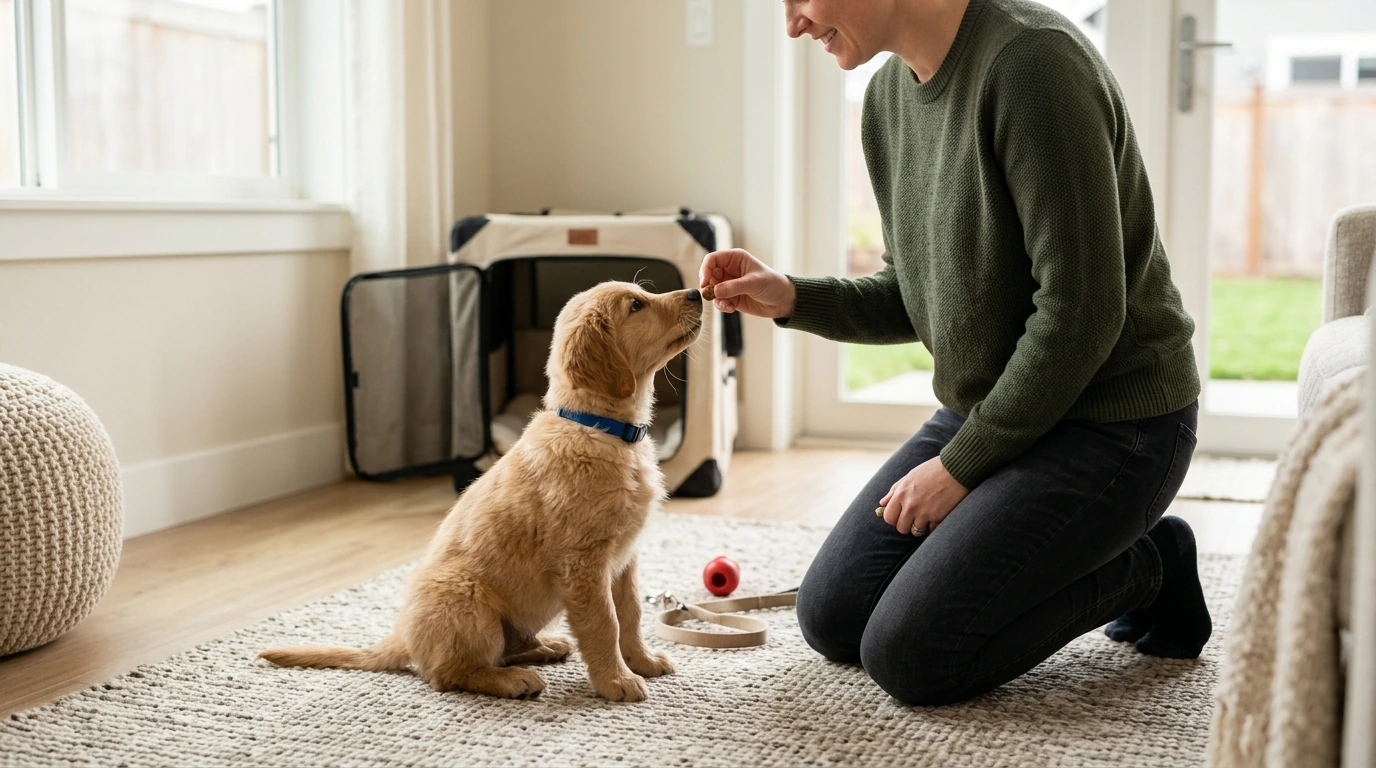
By about three weeks, a puppy usually starts to understand the household rhythm and relax a bit more. This is a great time to reinforce house-training, introduce short training sessions (sit, name response, touch), and begin gentle socialization. Keep exposure positive and controlled—new experiences should be brief, rewarding, and never forced.
The first 3 months: bonding and confidence
Over the first three months, many puppies build stronger trust, show more personality, and become more consistent with training. Continue socialization, add leash skills, practice alone-time gradually to prevent separation stress, and maintain clear boundaries. Progress won’t be perfectly linear, so expect occasional setbacks after big changes (travel, guests, schedule shifts).
How to use the 3 3 3 rule day-to-day
Think of it as a patience tool, not a strict deadline. If your puppy is struggling, scale back stimulation, increase structure, and reward calm behavior. For a deeper breakdown and practical examples, visit the full guide on the 3 3 3 rule for new puppies.
FAQ
How can I help my new puppy adjust at night?
Keep bedtime consistent, take a final potty break right before sleep, and place the puppy’s sleeping area near you at first so they feel secure. If they cry, pause to see if they need to potty, then settle them calmly without turning it into playtime.











Leave a comment