Healthiest Kitten Food: What to Feed for Growth
What is the healthiest food to feed a kitten?
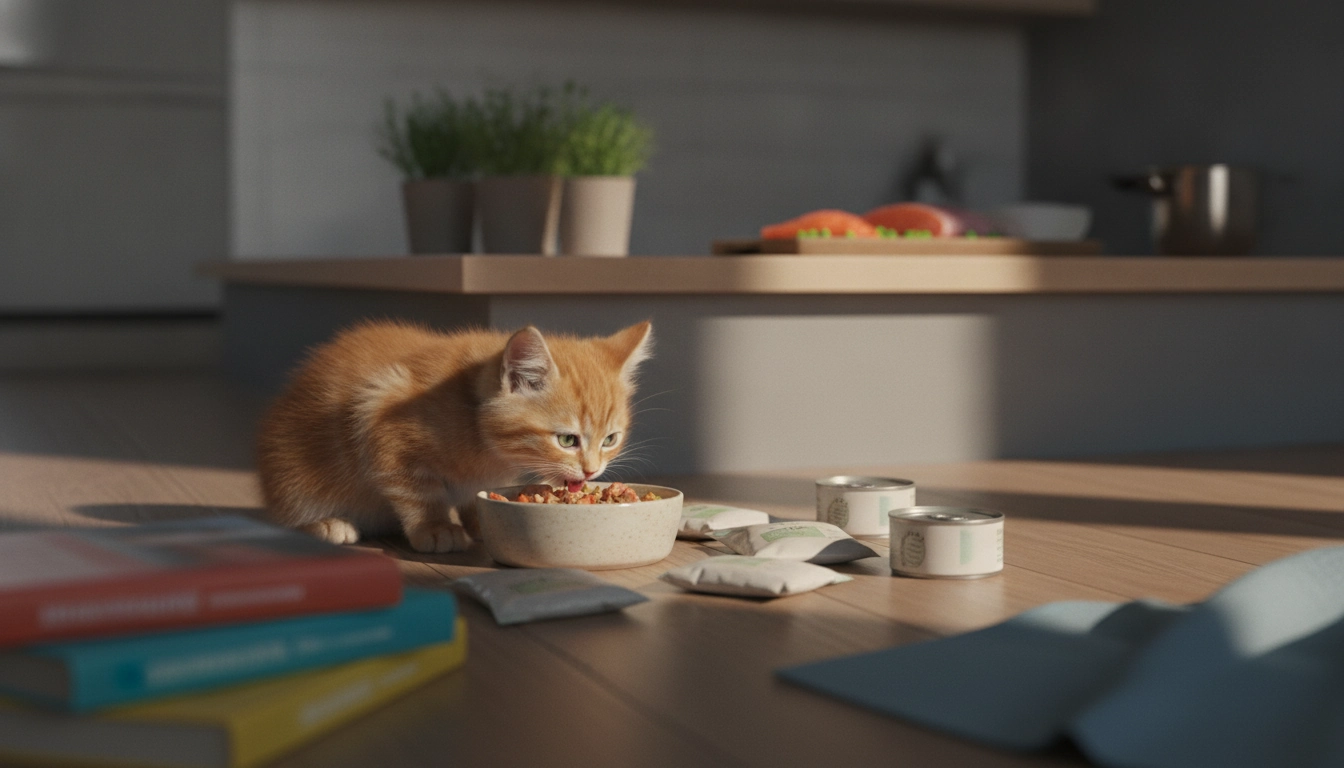
The healthiest food to feed a kitten is a complete-and-balanced kitten formula that’s high in animal-based protein and fat, made to meet AAFCO standards for growth. Kittens are building bone, muscle, and brain tissue fast, so they need more calories and specific nutrients (like DHA, taurine, calcium, and phosphorus) than adult cats.
For most kittens, a mix of wet and dry kitten food works well: wet food helps with hydration and is usually easier to chew, while dry kibble can be convenient and supports consistent calorie intake. Look for a label that clearly says it’s for “kittens” or “growth,” and prioritize recipes where real meat, poultry, or fish are among the first ingredients.
What to look for on the label
Choose a product that states it is “complete and balanced” for kittens (growth) and includes an AAFCO nutritional adequacy statement. Aim for animal-derived protein as the primary ingredient, added DHA (often from fish oil) for brain/eye development, and appropriate minerals for healthy skeletal growth.
Wet vs. dry vs. homemade
Wet kitten food can be especially helpful for smaller kittens transitioning from milk to solids and for picky eaters. Dry kitten food is fine too, but ensure fresh water is always available. Homemade diets are risky unless formulated by a veterinary nutritionist, because missing taurine or having imbalanced calcium-to-phosphorus ratios can cause serious health issues.
How often should a kitten eat?
Kittens typically do best with multiple small meals per day, since their stomachs are tiny and their energy needs are high. If you’d like a practical schedule and portion guidance by age, follow this feeding plan: new kitten feeding plan and best food schedule tips.
For Healthiest Kitten Food: What to Feed for Growth, the best answer depends on fit, material, care instructions, and how the product will be used day to day.
FAQ
When should I switch my kitten to adult cat food?
Most kittens can transition to adult food around 12 months of age, when growth slows down. Larger breeds may benefit from staying on kitten food a bit longer, so confirm timing with your veterinarian.











Leave a comment